by Machining Technologies | Sep 10, 2026 | Machining
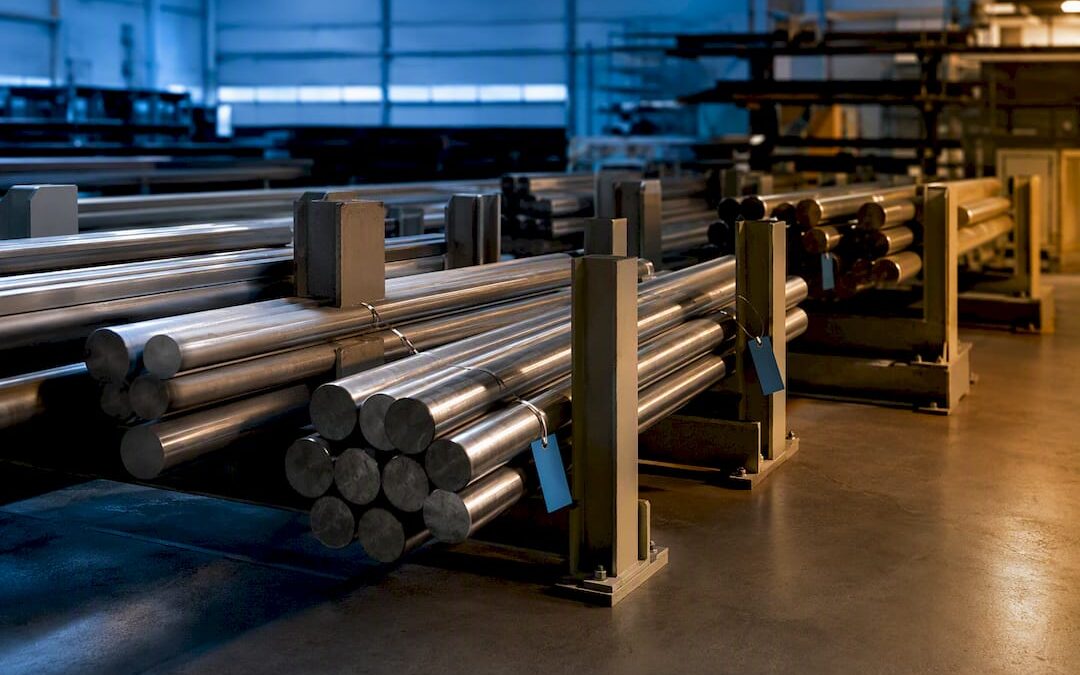
DFARS restricts specialty metals in most defense procurements, and it generally requires those metals be melted or produced in the United States or a qualifying country. The immediate action for any contractor bidding on a covered contract is verifying mill test...
by Machining Technologies | Sep 9, 2026 | Machining
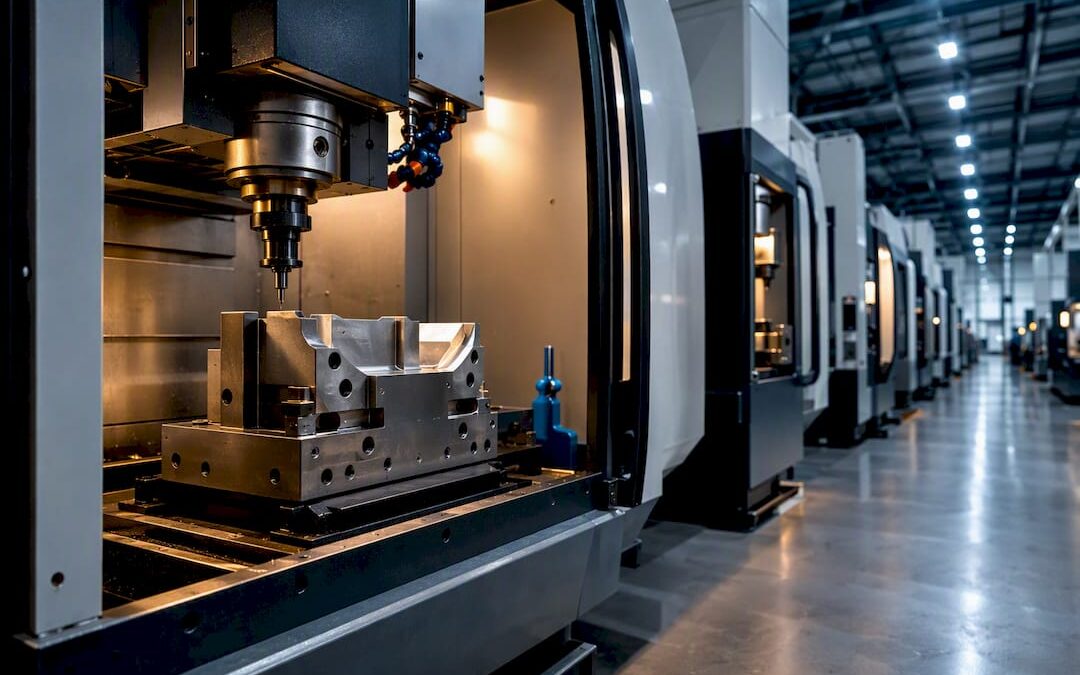
Production CNC machining is the automated, computer-controlled removal of material to make repeatable, high-precision parts at manufacturing scale, using processes like milling, turning, and Wire EDM. It’s the right choice when you need thousands to millions of...
by Machining Technologies | Sep 8, 2026 | Machining
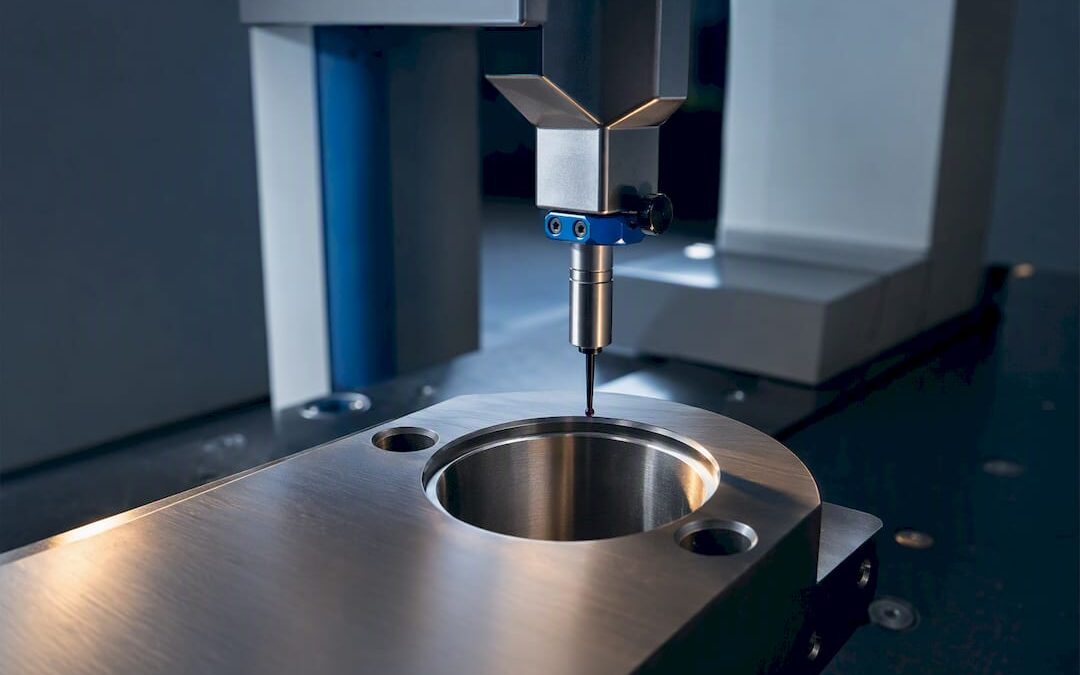
For a hole, true position is the theoretically exact center defined by basic dimensions on the drawing. The manufactured hole axis must fall inside the specified cylindrical tolerance zone around that point, verified with a coordinate measuring machine (CMM) or...
by Machining Technologies | Sep 7, 2026 | Machining
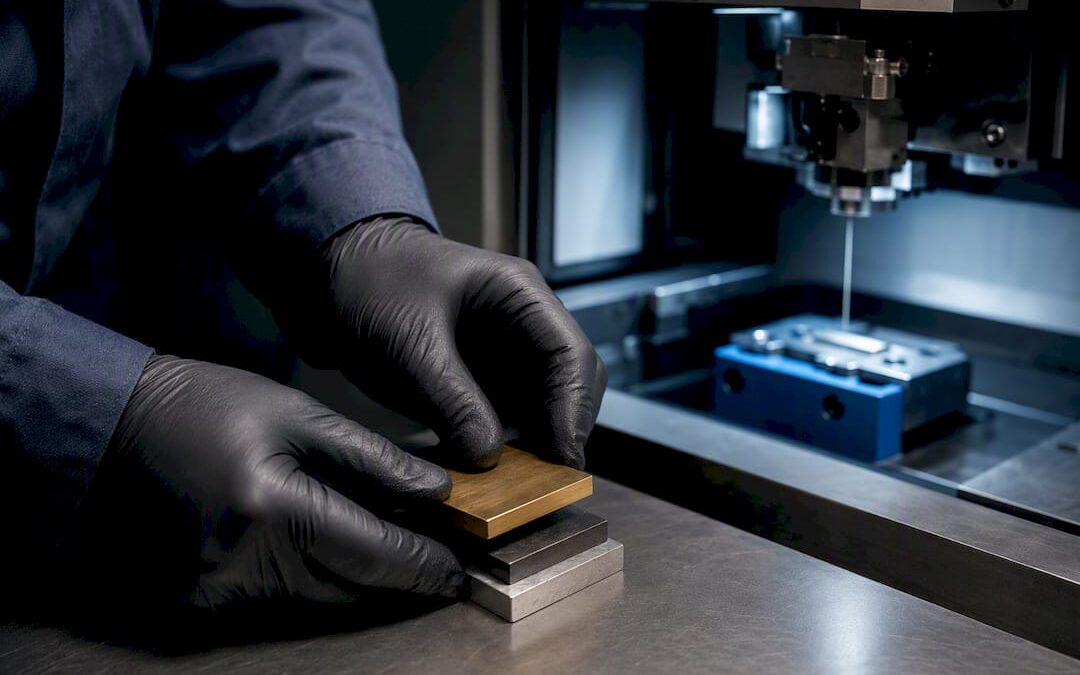
Wire EDM cuts any electrically conductive metal, from mild steel to hardened tool steel, titanium, and Inconel. Hardness doesn’t block the process; conductivity does. The wire electrode itself falls into three practical groups: plain brass for general work, coated or...
by Machining Technologies | Sep 6, 2026 | Machining
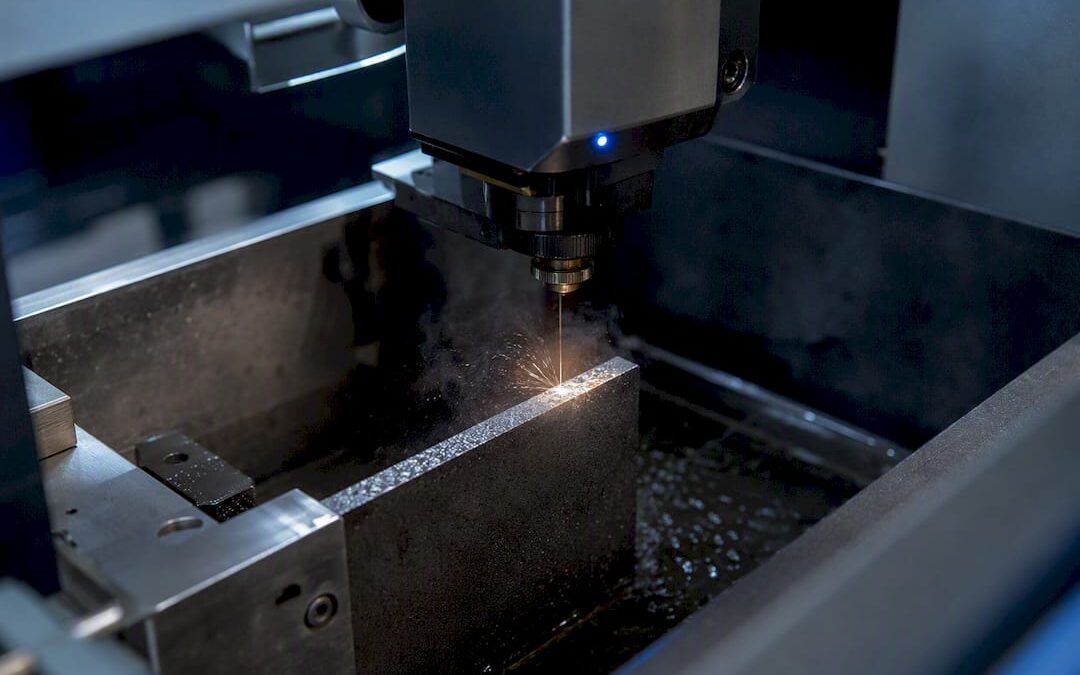
Electrical discharge machining reliably produces surfaces from roughly Ra 3.2 µm on aggressive roughing cuts down to Ra 0.1 to 0.2 µm with slow, low-energy finishing passes, and specialty setups can push finer still. Pulse-on time and peak current are the two levers...