by Machining Technologies | Sep 3, 2026 | Machining
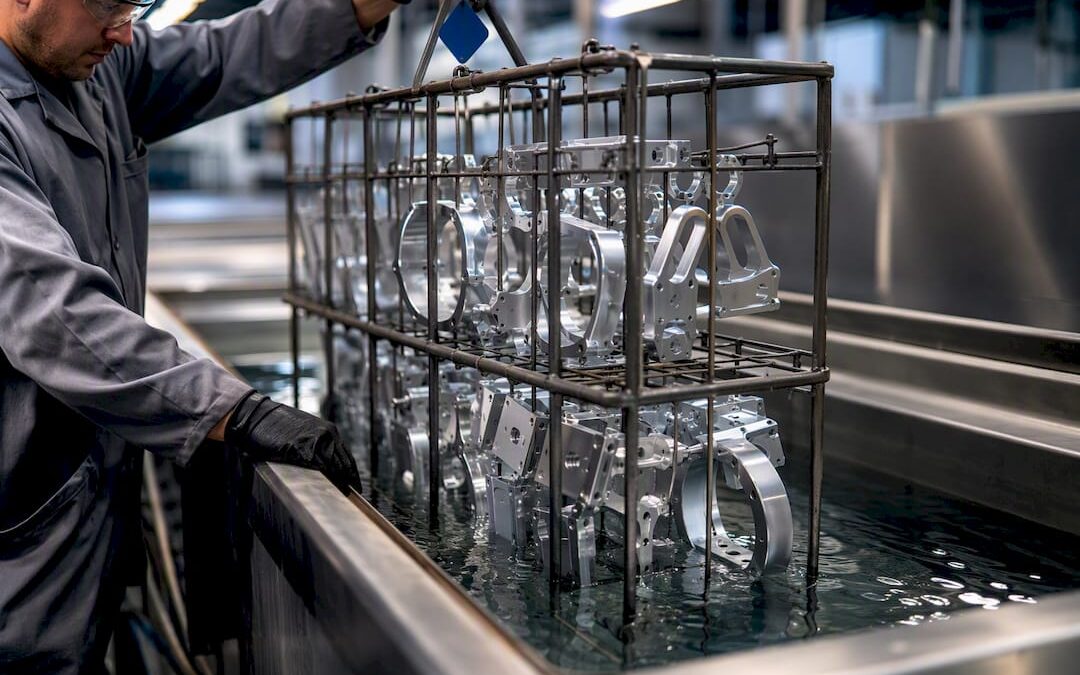
MIL‑A‑8625 is the DoD specification that defines six anodize types and two classes for aluminum, and it still governs how most aerospace and defense drawings call out anodic coatings. Cite the spec by name, pick a Type and Class, and put a nominal thickness on the...
by Machining Technologies | Sep 2, 2026 | Machining
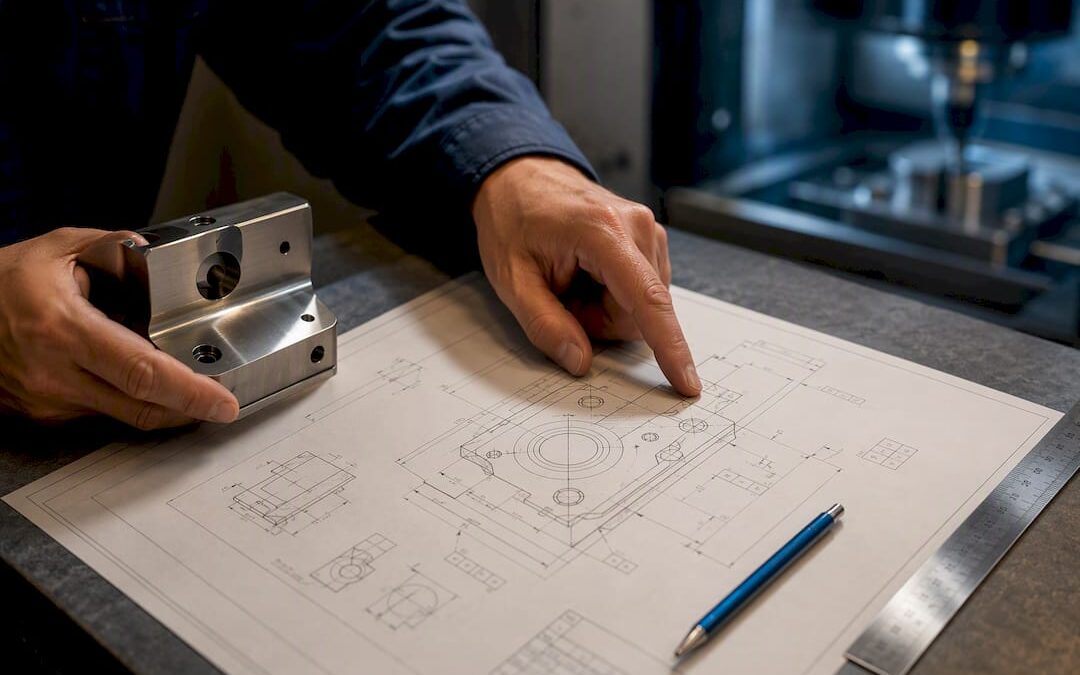
ASME Y14 is the primary engineering drawing standard used in the United States, and if you’re setting up a new drawing template or auditing an old one, start with two documents: ASME Y14.100 for drawing practices and title block requirements, and ASME Y14.5 for...

by Machining Technologies | Sep 2, 2026 | Machining
Use the ASME Y14 family as your baseline: ASME Y14.5-2018 (R2024) governs geometric dimensioning and tolerancing, while ASME Y14.1 and ASME Y14.100 govern sheet formats and drawing layout. Add the NASA drawing standards manual for practical templates. Together they...
by Machining Technologies | Sep 1, 2026 | Machining
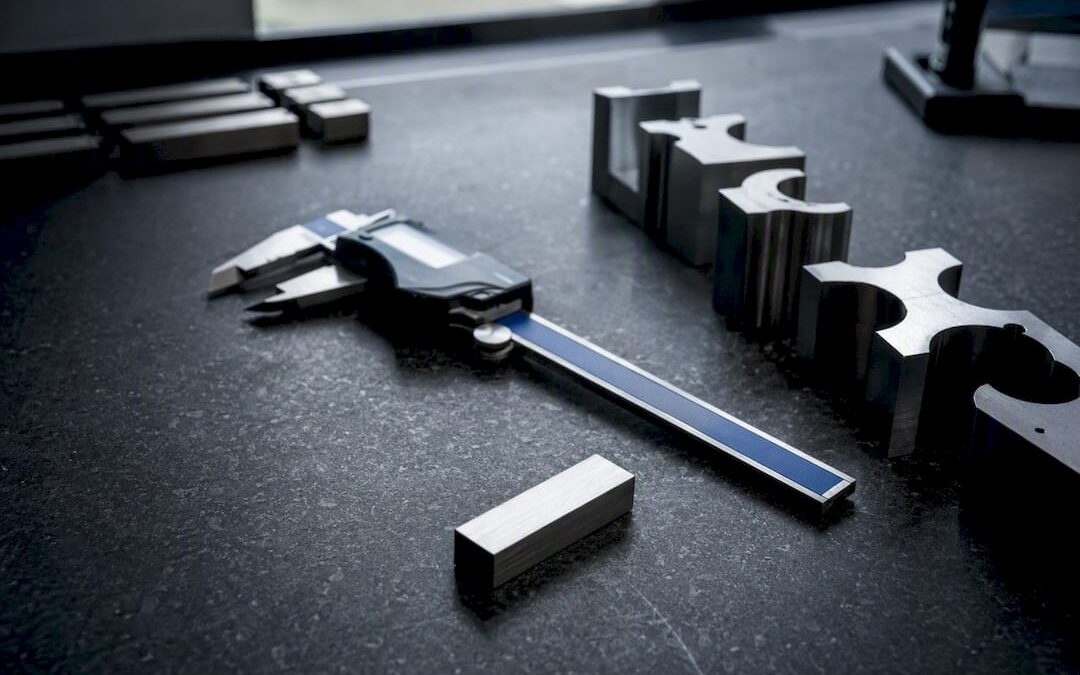
Process capability index Cpk measures how well a process output fits inside its specification limits, accounting for both the process mean (x̄) and its spread (σwithin). The formula is Cpk = min[(USL − x̄) / 3σwithin, (x̄ − LSL) / 3σwithin], and it only means...
by Machining Technologies | Aug 31, 2026 | Machining
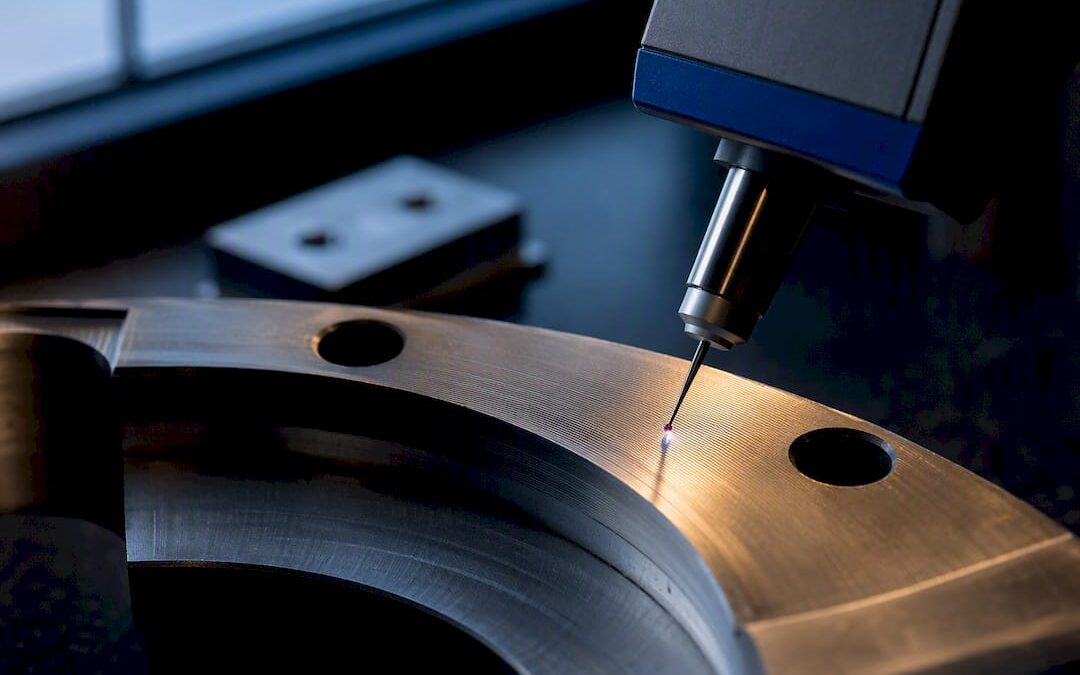
A surface finish chart converts and cross-references roughness values (Ra, Rz, RMS, micro-inches, micrometers) so you can translate a drawing callout into a real, measurable surface. The tables that matter follow three references: ASME B46.1 for parameters and...