by Machining Technologies | Aug 18, 2026 | Machining
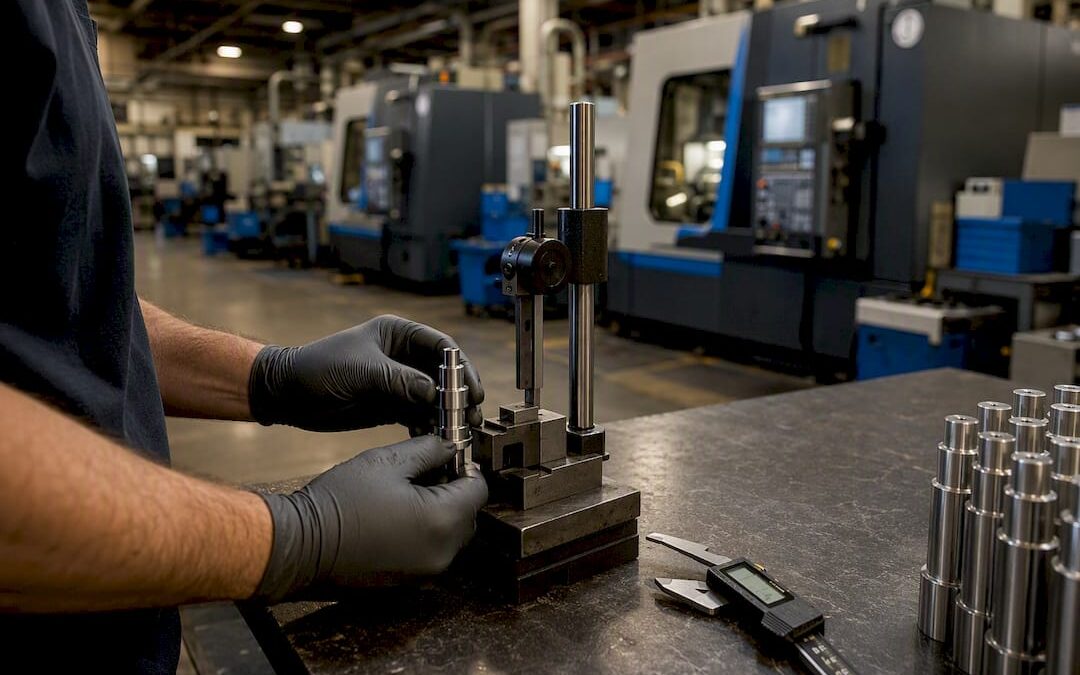
Repeatability is essential because it separates true part variation from measurement or process noise, and closing that gap directly cuts scrap, rework, and hidden inspection costs. A gage repeatability and reproducibility score under 10% is ideal, 10 to 30% needs...

by Machining Technologies | Aug 17, 2026 | Machining
On-time delivery (OTD) measures the percentage of orders that arrive within the date window you promised the customer. The headline formula is simple: OTD % = orders delivered on time ÷ total orders × 100. OTD tells you whether you kept your date promise; OTIF adds a...

by Machining Technologies | Aug 16, 2026 | Machining
The quality assurance process for precision contract machining runs in six stages: incoming material inspection, in-process controls, first-article inspection, final inspection, traceability and shipment, and a nonconformance/CAPA loop for anything that fails along...

by Machining Technologies | Aug 13, 2026 | Machining
Quality assurance protects revenue, prevents defects before they reach customers, and sustains the brand trust that keeps contracts coming back. Industry research estimates COPQ typically consumes 10–30% of annual revenue for many manufacturers, while world-class...

by Machining Technologies | Aug 12, 2026 | Machining
Component traceability is the documented ability to track every part’s complete history, from raw material and supplier origin through every production step, test result, and delivery destination. The immediate payoff: when a defective lot surfaces, you can isolate...
by Machining Technologies | Aug 11, 2026 | Machining
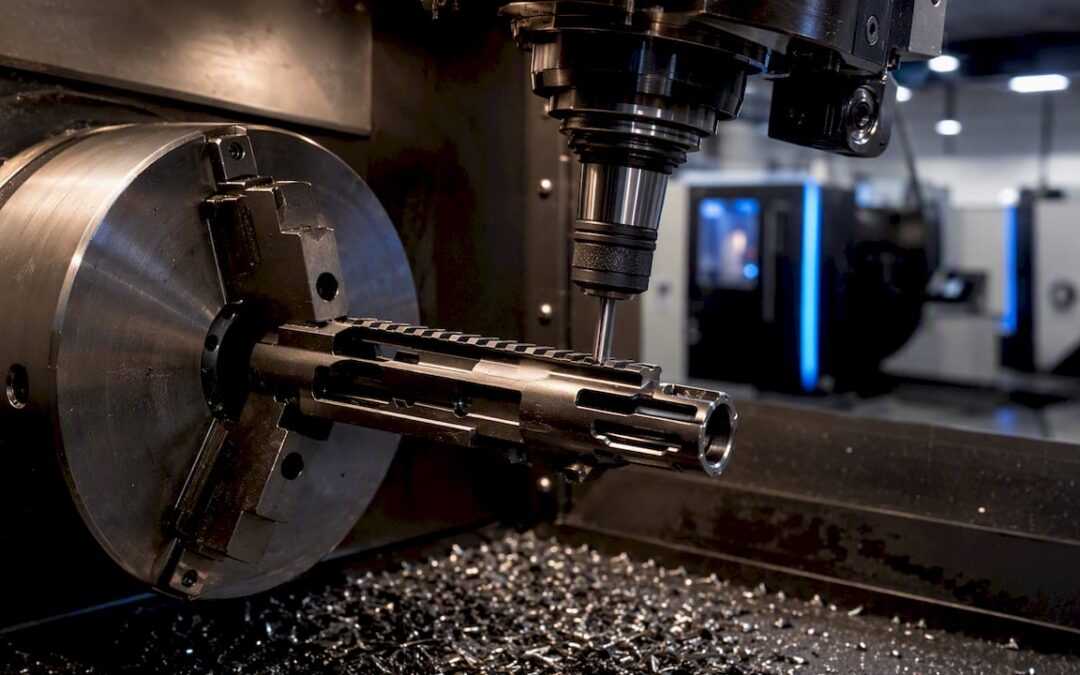
For most firearm components, the short answer on metal selection for gun parts is this: use AISI 4140 or 4340 for barrels, bolts, and high-stress structural parts; AISI 8620 or 9310 for case-hardened cyclic components like bolt carriers and small pins; 6061-T6 or...