
by Machining Technologies | Sep 2, 2026 | Machining
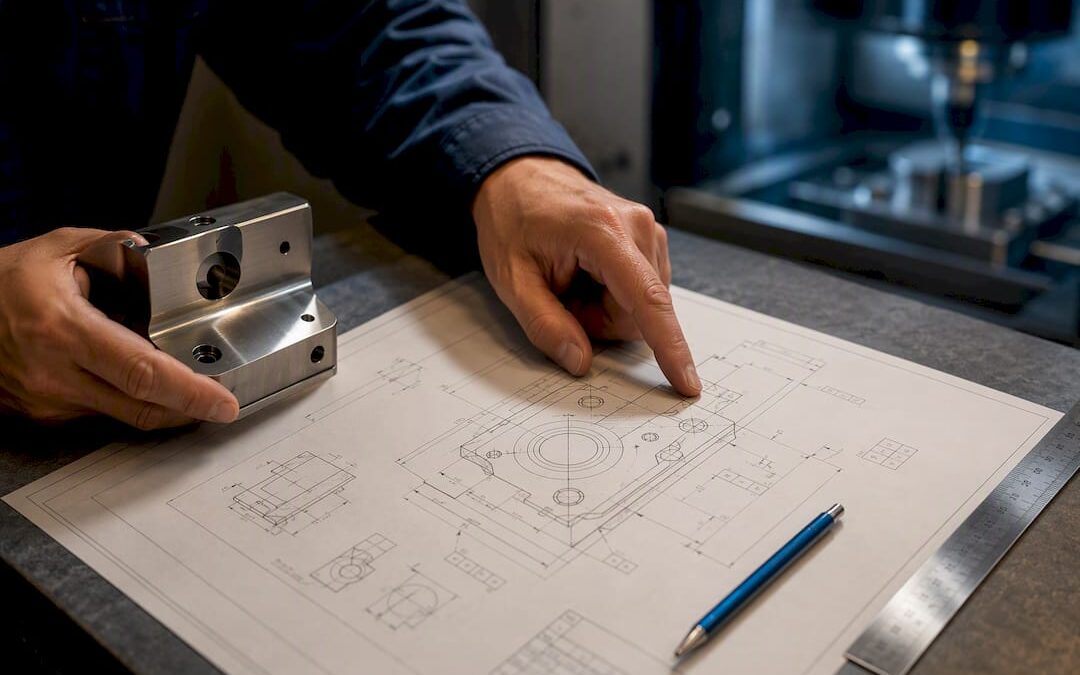
Use the ASME Y14 family as your baseline: ASME Y14.5-2018 (R2024) governs geometric dimensioning and tolerancing, while ASME Y14.1 and ASME Y14.100 govern sheet formats and drawing layout. Add the NASA drawing standards manual for practical templates. Together they...
by Machining Technologies | Sep 2, 2026 | Machining
ASME Y14 is the primary engineering drawing standard used in the United States, and if you’re setting up a new drawing template or auditing an old one, start with two documents: ASME Y14.100 for drawing practices and title block requirements, and ASME Y14.5 for...
by Machining Technologies | Sep 1, 2026 | Machining
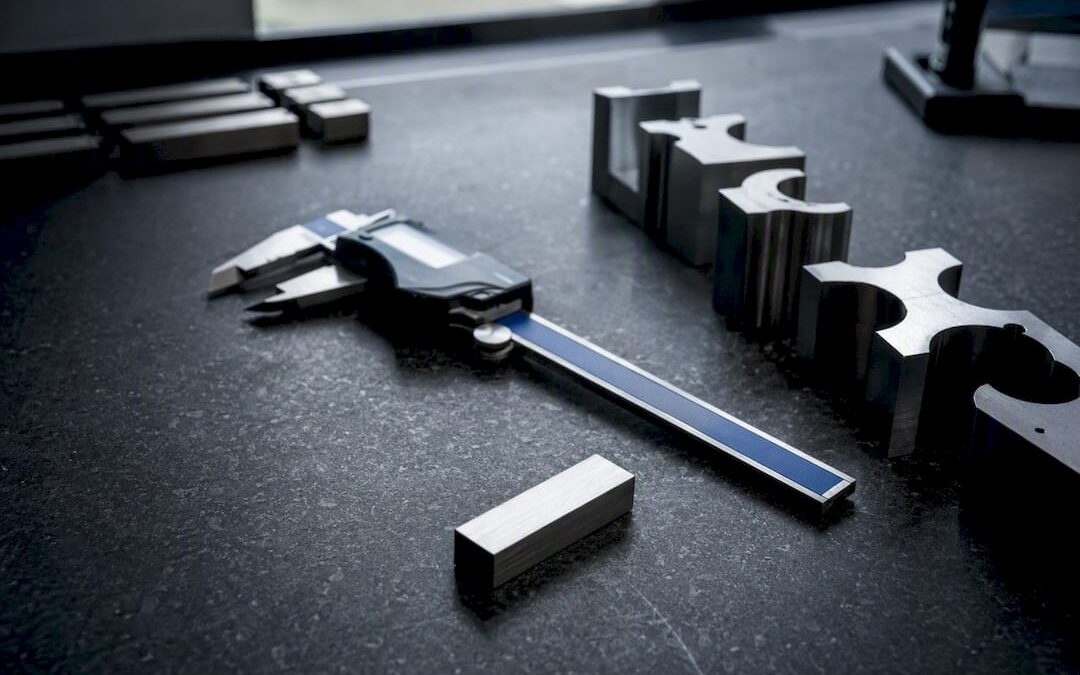
Process capability index Cpk measures how well a process output fits inside its specification limits, accounting for both the process mean (x̄) and its spread (σwithin). The formula is Cpk = min[(USL − x̄) / 3σwithin, (x̄ − LSL) / 3σwithin], and it only means...
by Machining Technologies | Aug 31, 2026 | Machining
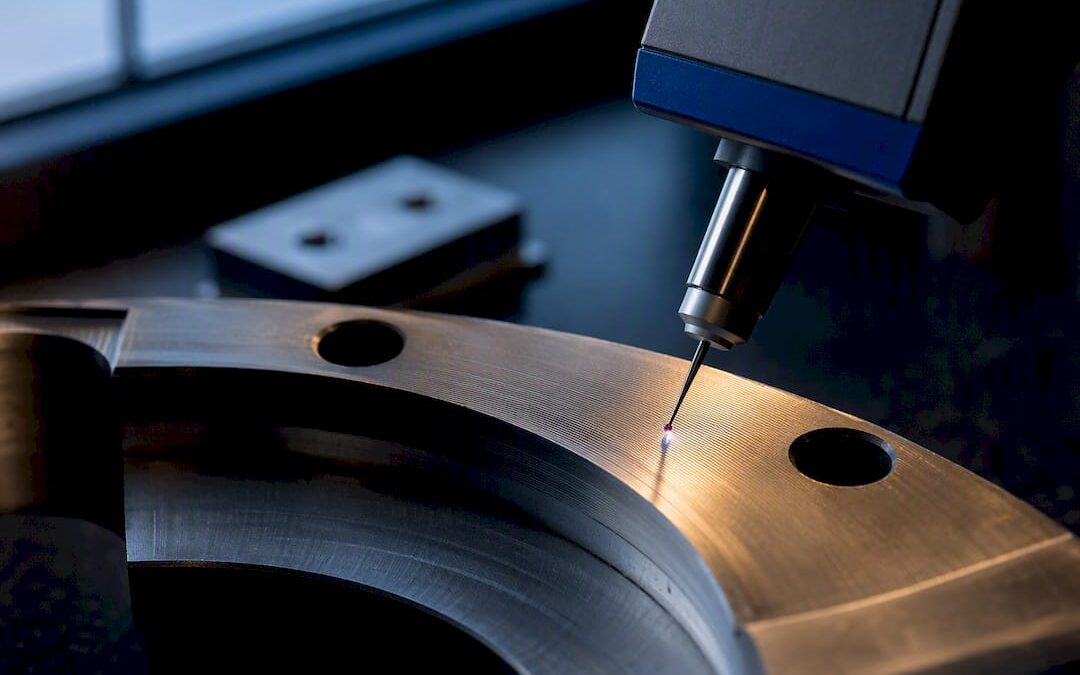
A surface finish chart converts and cross-references roughness values (Ra, Rz, RMS, micro-inches, micrometers) so you can translate a drawing callout into a real, measurable surface. The tables that matter follow three references: ASME B46.1 for parameters and...

by Machining Technologies | Aug 30, 2026 | Machining
A supplier scorecard converts supplier performance into a single, auditable score built from five categories: quality, delivery, cost, service, and compliance. Most procurement teams get better results by scoring 3 to 5 KPIs per supplier rather than tracking...
by Machining Technologies | Aug 27, 2026 | Machining
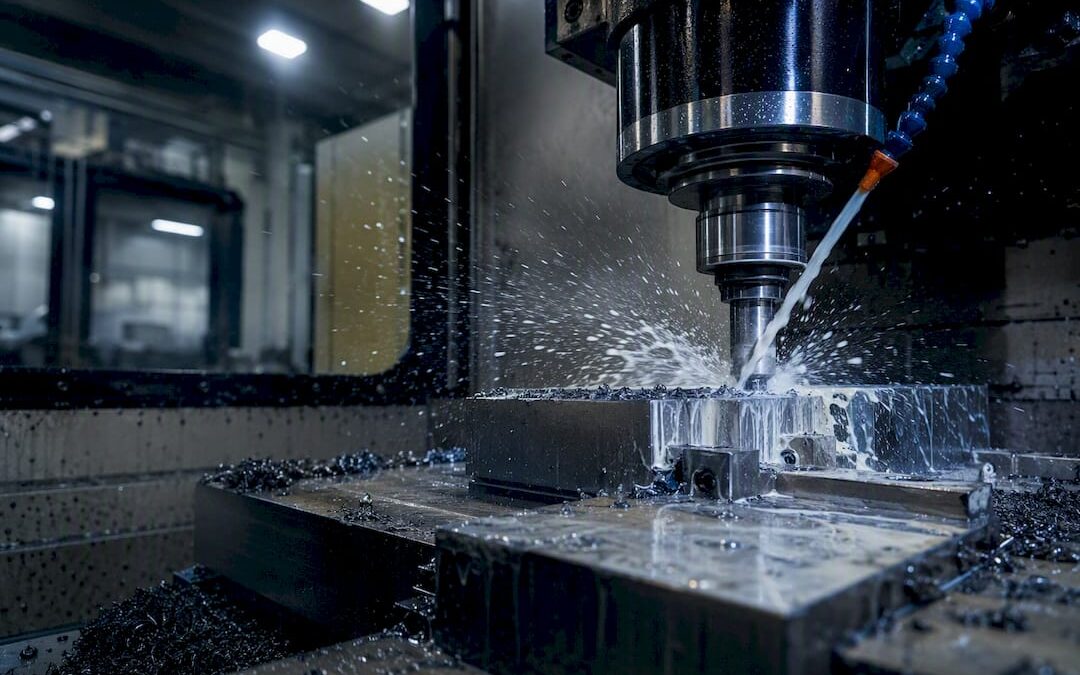
Machine D2 tool steel in the annealed condition whenever possible, then finish after hardening with CBN or ceramic tooling, or grinding, rather than trying to hog material out of an already-hardened blank. The single biggest failure mode is dwell: letting a tool ride...